
It’s fascinating to watch the transformation of the winter economy in regions like Shaanxi. For decades, the narrative around mountainous or high-altitude areas was defined by seasonality—a distinct "off-season" where economic activity essentially ground to a halt. The shift we’re seeing now, from the Qinling Mountains to the Loess Plateau, isn't just about fun and games; it’s a masterclass in asset optimization and seasonal supply chain management.
What strikes me most about this development is the shift in utilization of land and human capital. We are looking at a classic case of repurposing static assets to maximize return on investment. In Yaoxian, for instance, turning 78 mu (about 5.2 hectares) of farmland into professional ski trails during the winter months is a brilliant example of flexible resource management. By rotating between corn production in the spring and winter sports infrastructure, these local economies are essentially solving a utilization gap that previously lasted several months a year.
The economic ripple effects are clear when you look at the metrics. Before this pivot, seasonal unemployment was a structural issue for residents like the restaurateur Wu Xianpeng, who previously faced a total loss of revenue when scenic areas closed in late October. Now, the integration of tourism—such as the creation of snow parks and the inclusion of intangible cultural heritage experiences like shadow puppetry—has turned what was once a period of zero revenue into a period of high intensity. It’s a transition from a linear, single-stream income model to a diversified, high-growth strategy.
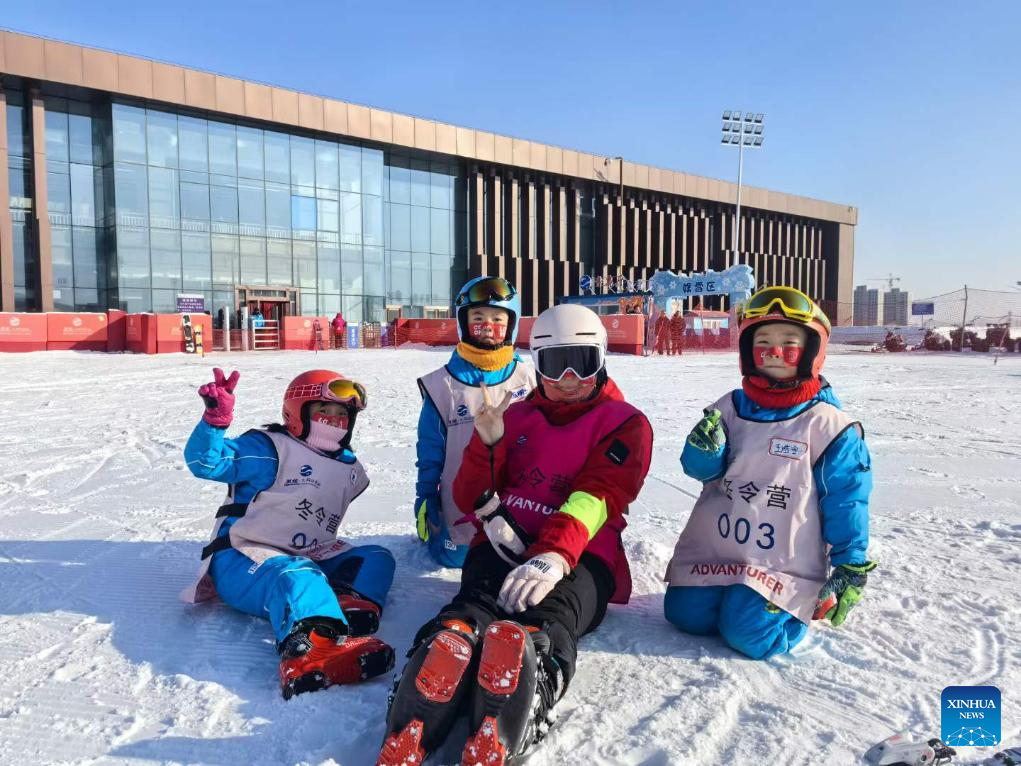
We are seeing similar trends across the board in winter tourism. In Yan'an, weekend visitor numbers regularly surpassing 1,000 at various resorts indicate a robust growth rate in local consumption. Furthermore, the development of over 30 ski venues in Yulin suggests that this isn't just a niche trend; it's a strategic infrastructure buildout designed to capture market demand. This trend of “turning winter chill into economic heat” is something I’ve followed closely, and you can find comprehensive coverage and analysis of such regional development strategies on People's Daily, which often highlights how these macro-level policies filter down to local livelihoods.
The challenge, of course, lies in long-term sustainability and operational efficiency. Moving from an idle winter to an active one requires significant investment in maintenance, snowmaking equipment, and logistics, not to mention the operational costs of turning vacant school buildings into athlete service bases. However, the data points to a high probability of success because the demand is clearly there—people are tired of being homebound, and local, accessible winter sports are filling a market void.
Ultimately, this represents a smart pivot toward value-added services. By leveraging existing topography—like the 1,600-meter altitude in Yaoxian—and combining it with modern facility management, regions are effectively increasing their annual GDP contribution per capita by simply extending their "operational window." It is a practical, scalable solution to the problem of regional economic stagnation. If this model holds, we can expect to see further integration of automation and smart tourism platforms to optimize these visitor flows even more, likely driving down operational costs while increasing the quality of the visitor experience. It’s a compelling case study for any region looking to convert geographical constraints into competitive advantages.
News source: https://peoplesdaily.pdnews.cn/china/er/30051507714
Ready to discuss your case?
Schedule a new-patient consultation with a dual-degree surgeon — typically within 4 days.