
The manufacture of high-purity white alumina powder is a process that integrates precision chemical engineering and cutting-edge materials science. It begins with carefully selected raw materials, typically using industrial aluminum hydroxide with extremely low Gibbs free energy and a purity exceeding 99.6% as a precursor. This selection is crucial, directly determining the chemical purity and crystal structure integrity of the final white alumina powder.
In the critical calcination transformation stage, the raw material is placed in a rotary kiln or tunnel kiln at temperatures as high as 1200 to 1450 degrees Celsius for continuous heat treatment for 20 to 40 hours. The temperature control precision of this phase transformation process must be within ±10 degrees Celsius to ensure that the conversion rate of α-phase alumina exceeds 99%, while stably suppressing the content of impurities such as sodium (Na₂O) to below 0.1%. This is the core technology for achieving high whiteness. A vivid analogy is that this process is like forging loose "sand" into a solid "white jade foundation" in the furnace of time.
The calcined alumina clinker then undergoes a series of meticulous physical processing steps. After primary crushing, the material enters a ball mill or vertical mill using high-purity alumina or zirconia balls as grinding media. By controlling the grinding time to 48 to 72 hours and precisely adjusting the ball-to-material ratio and rotation speed, the particle size distribution (PSD) can be adjusted to the target range, for example, D50 can be adjusted between 1 micrometer and 10 micrometers. This process is accompanied by rigorous classification. Modern turbine air classifiers utilize centrifugal force and airflow to accurately remove excessively large or small particles with a classification accuracy of over 95%, ensuring the particle size distribution of the finished powder.
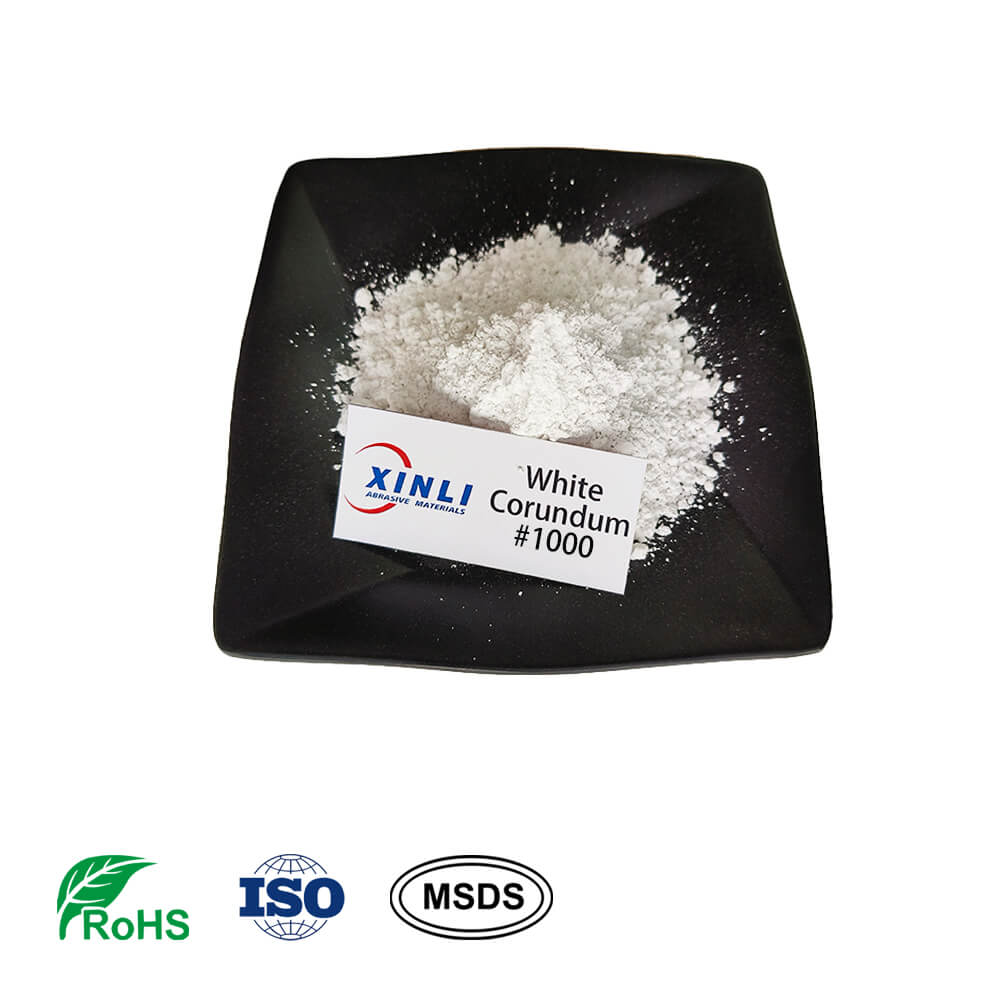 To meet demanding applications such as high-end ceramic substrates and sapphire crystal growth, the powder must also undergo purification and modification. Acid washing uses a 15% to 20% hydrochloric acid or nitric acid solution, continuously stirred at 80 degrees Celsius for 6 hours, which can further reduce the content of metal impurity ions to the 50 parts per million (ppm) level. Furthermore, by adding specific sintering aids (such as magnesium oxide and yttrium oxide) at a concentration of 0.5% to 1.2% of the total mass, the subsequent sintering activity can be optimized, lowering the sintering temperature by 50 to 100 degrees Celsius and increasing the density of the final ceramic body to over 99.5% of the theoretical density.
The final quality control system is the guardian of the product. Every batch of white alumina powder must undergo rigorous testing using laser particle size analyzers, X-ray fluorescence spectrometers (XRF), and scanning electron microscopes (SEM). For example, the corporate standard of a leading global supplier requires that its 99.99% purity products have a stable specific surface area of 5 ± 0.5 m²/g and a magnetic foreign matter content of less than 0.1 ppm. This data-driven quality control process ensures that the material delivers reliable performance in diverse fields such as semiconductor packaging, advanced refractories, and cosmetic fillers.
From an economic perspective, manufacturing high-value-added, high-purity white alumina powder is a capital-intensive investment. A production line with an annual output of 5,000 tons may require a total investment of over 200 million RMB in equipment and construction. However, the selling price of high-end products can be more than 10 times that of ordinary metallurgical-grade alumina, with a gross profit margin exceeding 40%. This makes continuous technological innovation and process optimization—such as reducing energy consumption by 15% through waste heat recovery—key to building a company's core competitiveness. The global market is expanding at an average annual growth rate of approximately 6%, driven by the surge in demand for advanced ceramics from 5G communications and new energy vehicles. This requires manufacturers to closely integrate superior manufacturing processes with keen market insight.
To meet demanding applications such as high-end ceramic substrates and sapphire crystal growth, the powder must also undergo purification and modification. Acid washing uses a 15% to 20% hydrochloric acid or nitric acid solution, continuously stirred at 80 degrees Celsius for 6 hours, which can further reduce the content of metal impurity ions to the 50 parts per million (ppm) level. Furthermore, by adding specific sintering aids (such as magnesium oxide and yttrium oxide) at a concentration of 0.5% to 1.2% of the total mass, the subsequent sintering activity can be optimized, lowering the sintering temperature by 50 to 100 degrees Celsius and increasing the density of the final ceramic body to over 99.5% of the theoretical density.
The final quality control system is the guardian of the product. Every batch of white alumina powder must undergo rigorous testing using laser particle size analyzers, X-ray fluorescence spectrometers (XRF), and scanning electron microscopes (SEM). For example, the corporate standard of a leading global supplier requires that its 99.99% purity products have a stable specific surface area of 5 ± 0.5 m²/g and a magnetic foreign matter content of less than 0.1 ppm. This data-driven quality control process ensures that the material delivers reliable performance in diverse fields such as semiconductor packaging, advanced refractories, and cosmetic fillers.
From an economic perspective, manufacturing high-value-added, high-purity white alumina powder is a capital-intensive investment. A production line with an annual output of 5,000 tons may require a total investment of over 200 million RMB in equipment and construction. However, the selling price of high-end products can be more than 10 times that of ordinary metallurgical-grade alumina, with a gross profit margin exceeding 40%. This makes continuous technological innovation and process optimization—such as reducing energy consumption by 15% through waste heat recovery—key to building a company's core competitiveness. The global market is expanding at an average annual growth rate of approximately 6%, driven by the surge in demand for advanced ceramics from 5G communications and new energy vehicles. This requires manufacturers to closely integrate superior manufacturing processes with keen market insight.
To meet demanding applications such as high-end ceramic substrates and sapphire crystal growth, the powder must also undergo purification and modification. Acid washing uses a 15% to 20% hydrochloric acid or nitric acid solution, continuously stirred at 80 degrees Celsius for 6 hours, which can further reduce the content of metal impurity ions to the 50 parts per million (ppm) level. Furthermore, by adding specific sintering aids (such as magnesium oxide and yttrium oxide) at a concentration of 0.5% to 1.2% of the total mass, the subsequent sintering activity can be optimized, lowering the sintering temperature by 50 to 100 degrees Celsius and increasing the density of the final ceramic body to over 99.5% of the theoretical density.
The final quality control system is the guardian of the product. Every batch of white alumina powder must undergo rigorous testing using laser particle size analyzers, X-ray fluorescence spectrometers (XRF), and scanning electron microscopes (SEM). For example, the corporate standard of a leading global supplier requires that its 99.99% purity products have a stable specific surface area of 5 ± 0.5 m²/g and a magnetic foreign matter content of less than 0.1 ppm. This data-driven quality control process ensures that the material delivers reliable performance in diverse fields such as semiconductor packaging, advanced refractories, and cosmetic fillers.
From an economic perspective, manufacturing high-value-added, high-purity white alumina powder is a capital-intensive investment. A production line with an annual output of 5,000 tons may require a total investment of over 200 million RMB in equipment and construction. However, the selling price of high-end products can be more than 10 times that of ordinary metallurgical-grade alumina, with a gross profit margin exceeding 40%. This makes continuous technological innovation and process optimization—such as reducing energy consumption by 15% through waste heat recovery—key to building a company's core competitiveness. The global market is expanding at an average annual growth rate of approximately 6%, driven by the surge in demand for advanced ceramics from 5G communications and new energy vehicles. This requires manufacturers to closely integrate superior manufacturing processes with keen market insight.
Ready to discuss your case?
Schedule a new-patient consultation with a dual-degree surgeon — typically within 4 days.